Common Misconceptions About Residential Lawn Care Debunked
JL
The Truth About Watering Your Lawn
One of the most common misconceptions about residential lawn care is the belief that frequent watering is essential. In reality, overwatering can harm your lawn. It encourages shallow root growth and can lead to fungal diseases.
Instead, it's best to water deeply but less often. Aim for about one inch of water per week, including rainfall. This encourages deep root growth and a healthier lawn.
The Myth of Chemical Fertilizers
Many homeowners think that chemical fertilizers are the only way to achieve a lush, green lawn. While they can be effective, they are not the only solution. Organic fertilizers offer a more sustainable alternative and improve soil health over time.
Organic fertilizers release nutrients slowly, reducing the risk of over-fertilization and minimizing environmental impact.

Mowing Short Equals Less Work
Another misconception is that mowing your lawn short will reduce the frequency of mowing. While it might seem convenient, it can damage your grass. Cutting grass too short stresses it and makes it more susceptible to pests and diseases.
Maintain a mowing height of around 3 inches for most grass types. This keeps your lawn healthy and reduces the need for frequent watering and fertilization.

The Fallacy of the Perfectly Green Lawn
The idea that a perfectly green lawn is always a healthy one is misleading. A vibrant lawn is not solely an indicator of good health. Sometimes, it can be the result of excessive fertilization or overwatering.
Focus on the overall health of the lawn, including soil quality, root depth, and biodiversity, rather than just color.
Weeds Are Always a Bad Sign
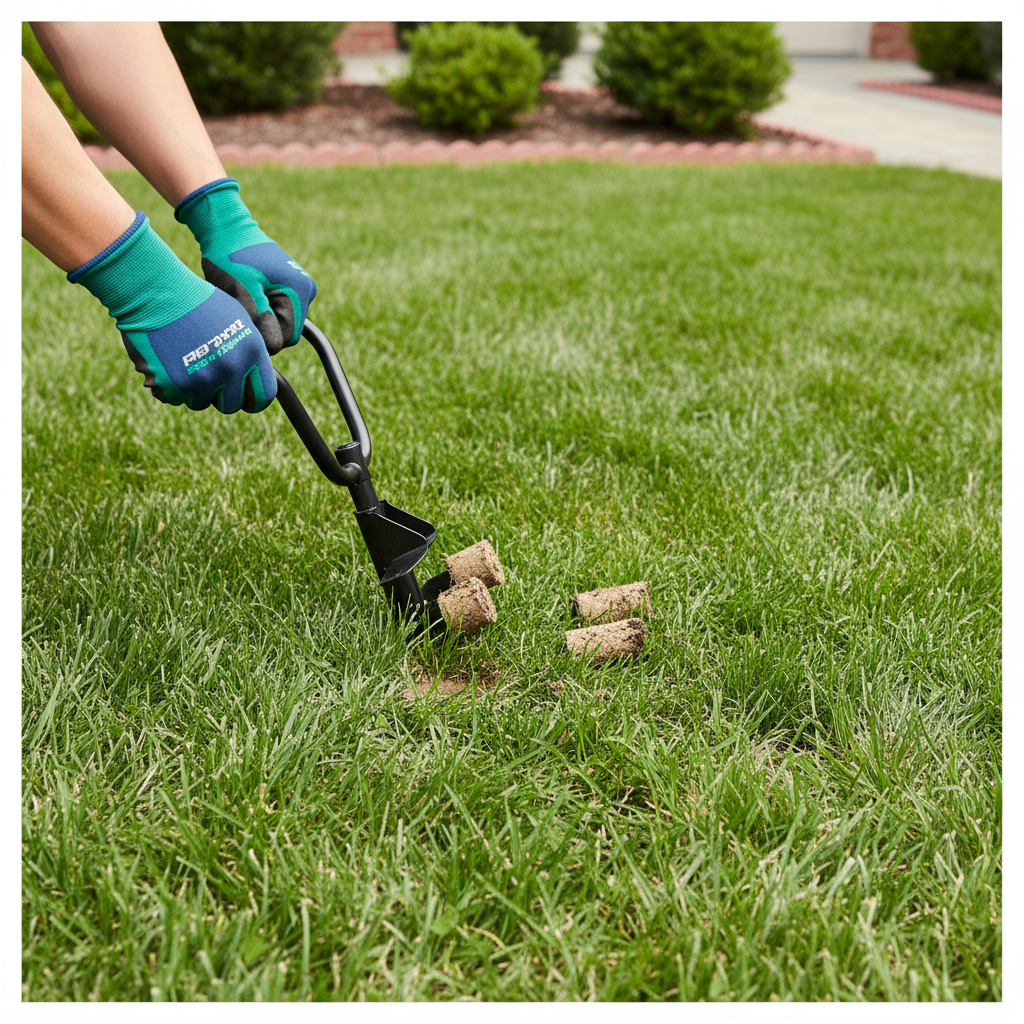
Weeds are often viewed as a sign of a poorly maintained lawn, but they can also indicate issues with soil health or compaction. Understanding the types of weeds present can provide insights into underlying soil conditions.
Addressing these conditions can lead to a naturally healthier lawn that resists weeds without the need for excessive herbicides.
Conclusion
Debunking common lawn care myths can lead to healthier, more sustainable lawns. By understanding the truth behind these misconceptions, homeowners can adopt more effective and environmentally friendly practices. Remember that a thriving lawn is about balance and care, not just appearance.