Debunking Common Landscaping Myths: What Every Hamilton Gardener Should Know
JL
Myth 1: Native Plants Require No Maintenance
One common misconception among gardeners in Hamilton is that native plants are completely self-sufficient. While it's true that native plants are well-adapted to the local climate and soil conditions, they still require some level of care. Regular watering, pruning, and pest control are essential to keep them thriving. Neglecting these tasks can lead to overgrowth or plant health issues.
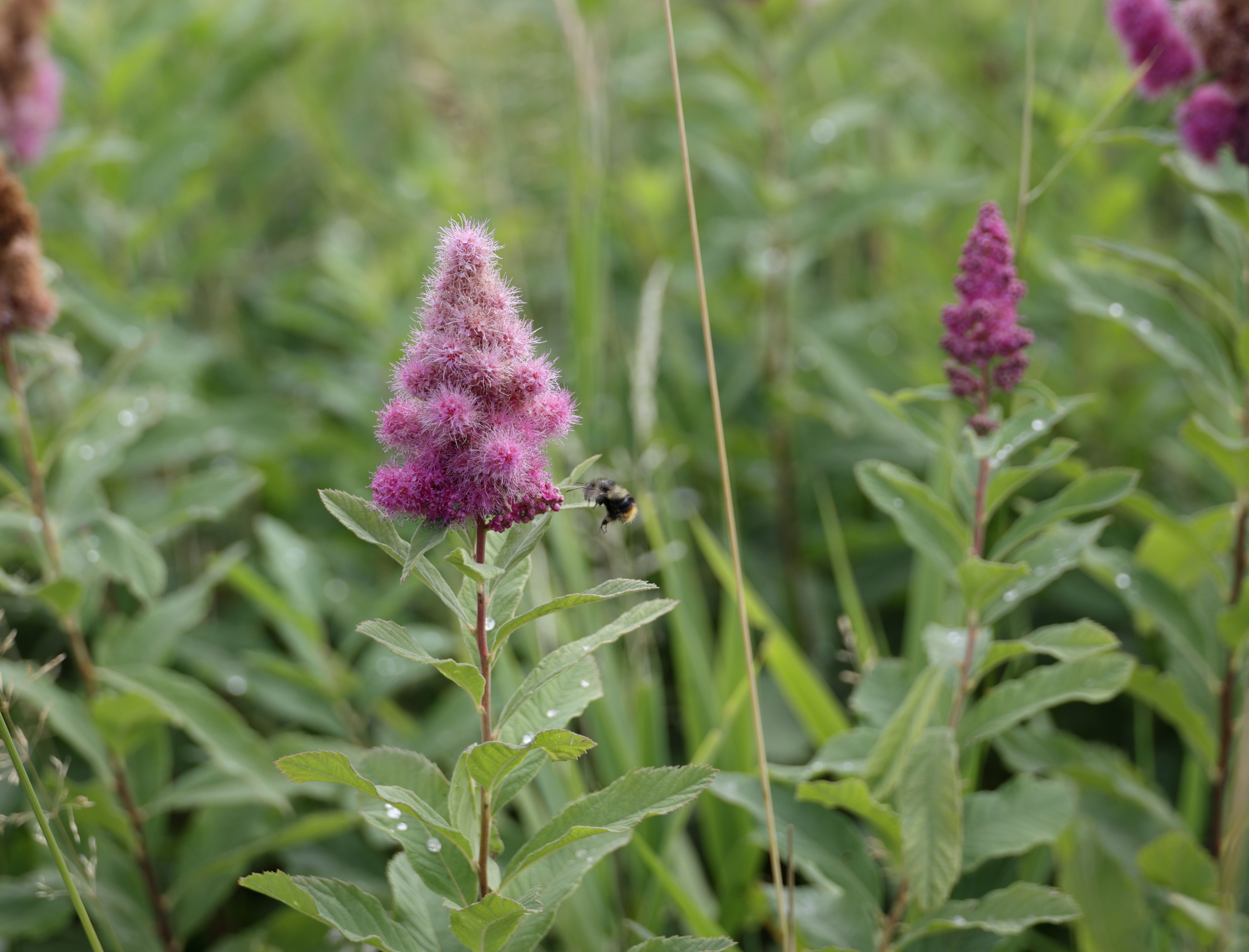
Understanding Native Plant Needs
Native plants may need less attention than non-native species, but they are not maintenance-free. It's crucial to understand their specific needs, such as the amount of sunlight and type of soil they prefer. This knowledge ensures that your native garden remains vibrant and healthy throughout the seasons.
Myth 2: More Fertilizer Equals Better Growth
Many gardeners believe that using more fertilizer will lead to faster and healthier plant growth. However, over-fertilizing can actually harm plants, causing nutrient burn and disrupting soil health. It’s essential to follow the recommended guidelines for each type of plant to avoid these issues.
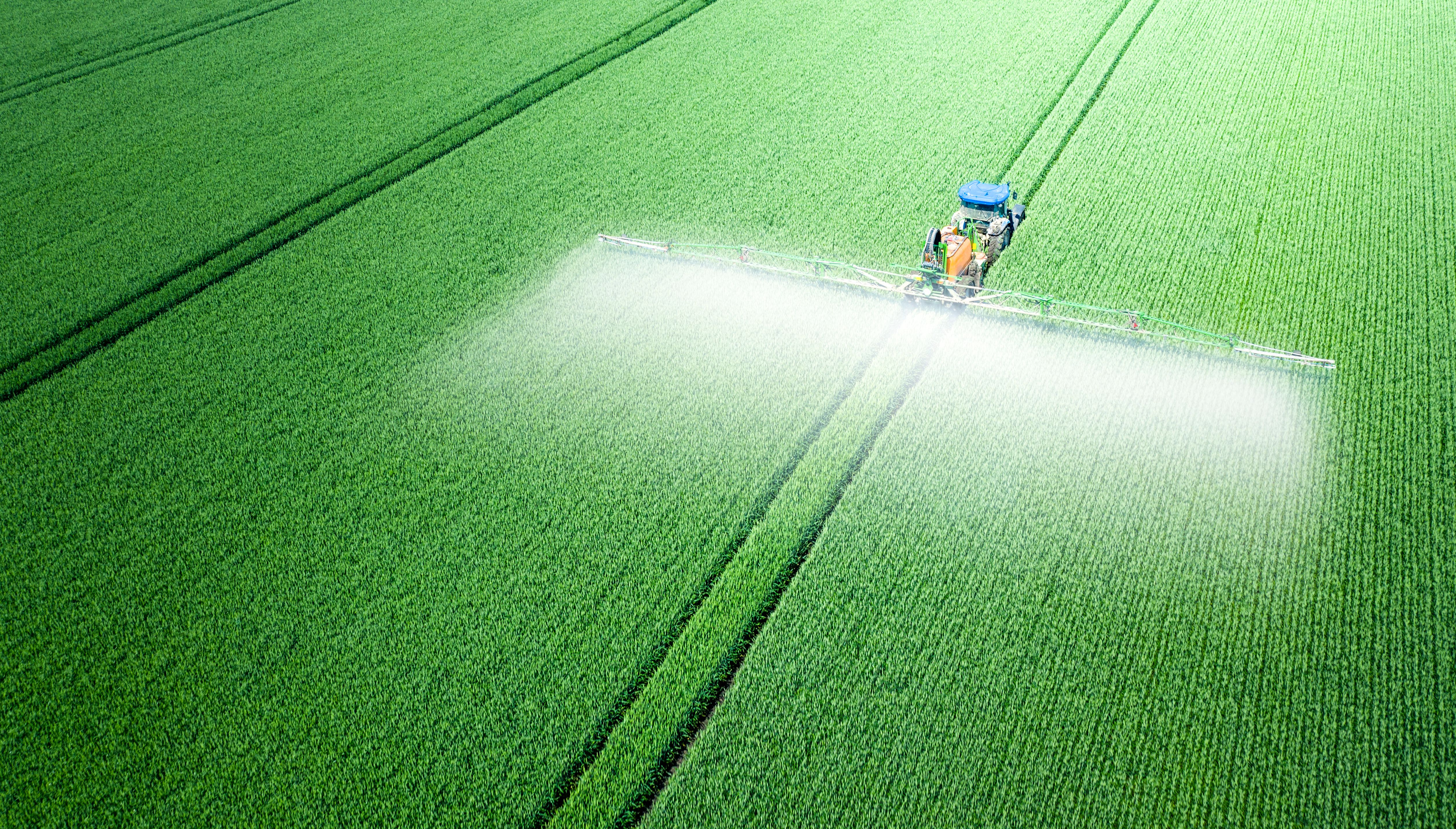
Smart Fertilizer Use
Instead of relying on heavy fertilization, focus on improving soil quality naturally. Incorporating organic matter like compost can enhance soil structure and provide plants with essential nutrients. This approach not only supports plant health but also benefits the environment.
Myth 3: Watering in the Heat of the Day is Harmful
A widely held belief is that watering plants during the hottest part of the day will scorch them. While it's more efficient to water in the early morning or late afternoon, watering during the day doesn’t harm the plants. The key is to ensure the soil absorbs the water effectively, preventing evaporation.
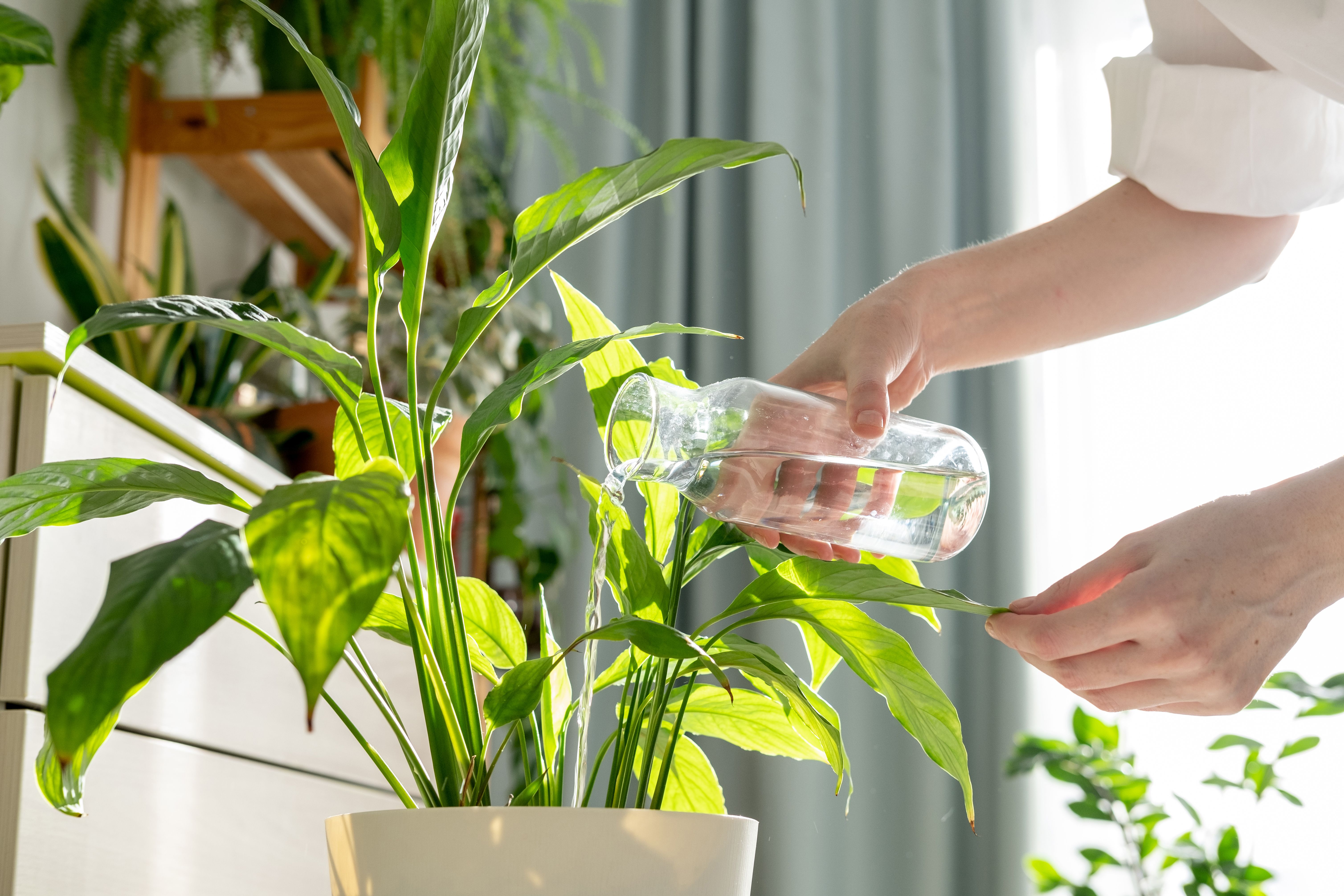
Effective Watering Techniques
To maximize water usage, aim for deep, infrequent watering. This encourages the roots to grow deeper, making plants more drought-resistant. Using mulch can also help retain moisture in the soil, reducing the need for frequent watering.
Myth 4: All Insects are Bad for Your Garden
Not all insects are detrimental to your garden. In fact, many insects play a vital role in pollination and pest control. Ladybugs, bees, and butterflies are beneficial and should be encouraged to visit your garden.
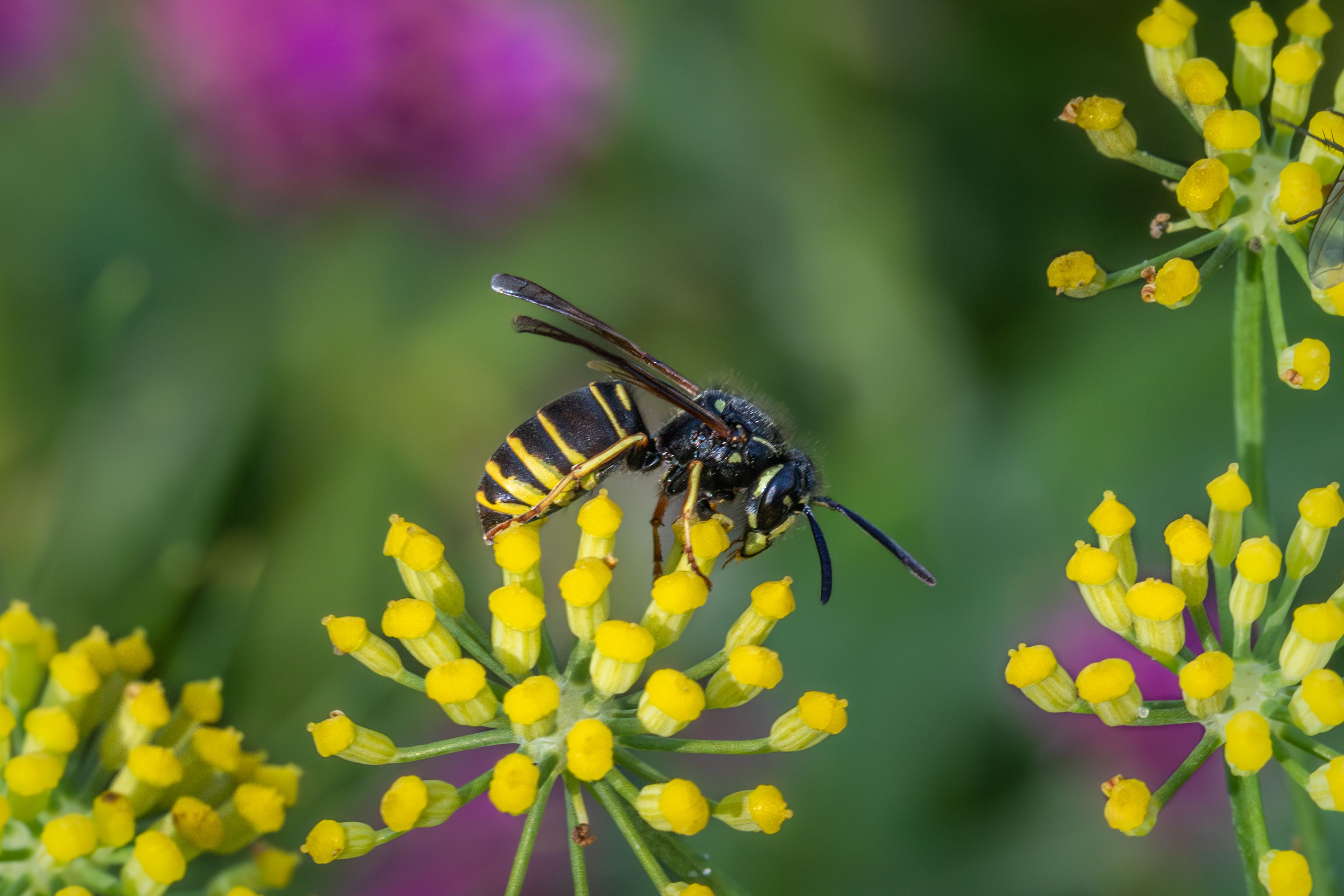
Encouraging Beneficial Insects
To attract these helpful creatures, consider planting a variety of flowers that bloom at different times. This ensures a consistent food source throughout the year. Avoid using harsh pesticides, as they can harm beneficial insect populations, disrupting the natural ecosystem balance.