
Expert Insights: Choosing the Right Plants for Hamilton’s Soil and Weather
JL
Understanding Hamilton's Soil Composition
Hamilton, known for its lush landscapes and vibrant gardens, offers a unique gardening environment. The city's soil is primarily clay-based, which retains moisture but can be challenging for certain plants. Understanding the composition is crucial for choosing the right plants that will thrive.
Clay soil is dense and tends to hold water, which can lead to poor drainage. However, it is also rich in nutrients, making it ideal for certain plant species. When selecting plants, it's essential to consider those that can adapt to these conditions.
Weather Patterns and Their Impact on Plant Growth
The weather in Hamilton can be quite variable, with warm summers and cold winters. This climate impacts the types of plants that can successfully grow in the area. The region experiences an average temperature range that supports a variety of plant life, but frost and heavy rains can pose challenges.
Choosing plants that are hardy and can withstand these fluctuations is vital. Consider plants that can survive the cold months and flourish during the warmer seasons.

Top Plant Choices for Hamilton Gardens
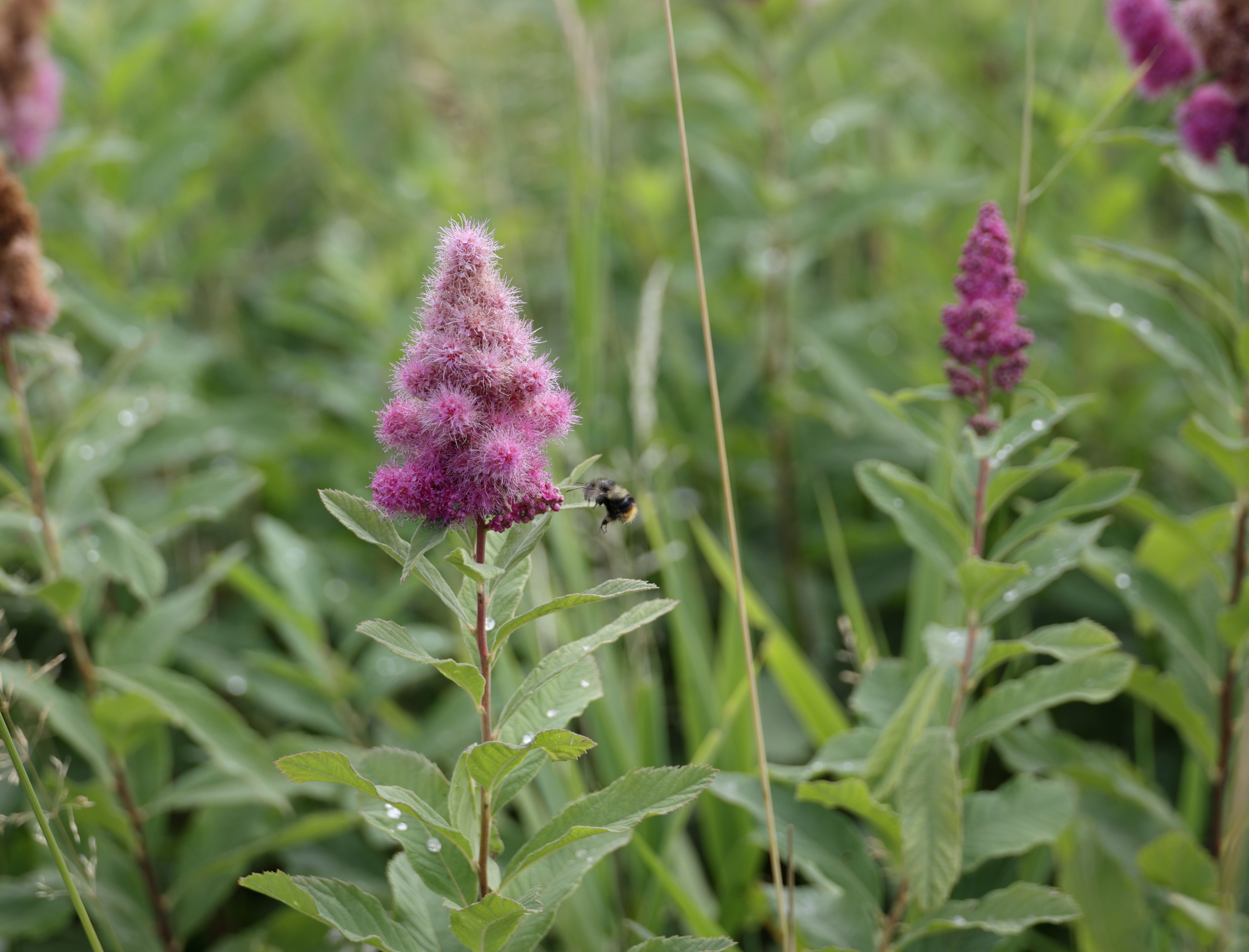
When it comes to selecting plants for your garden in Hamilton, consider native species that are naturally adapted to the local environment. Native plants require less maintenance and are often more resistant to pests and diseases.
- Eastern Redbud: This beautiful tree is perfect for Hamilton's climate, offering vibrant pink flowers in the spring.
- Black-eyed Susan: Known for its bright yellow petals, this flower adds color and is well-suited to clay soil.
- Switchgrass: A hardy ornamental grass that thrives in both dry and wet conditions.
Improving Soil Conditions
Improving the existing clay soil can enhance plant growth. Adding organic matter such as compost or well-rotted manure can improve drainage and increase soil fertility. Regularly aerating the soil can also help by allowing air and nutrients to reach the roots.
Mulching can further protect plants by retaining moisture during dry spells and providing insulation during colder months.
Expert Tips for Successful Planting
Gardening experts recommend testing your soil's pH levels before planting. This will help you determine which plants are best suited to your garden. Adjusting the pH with lime or sulfur can make the soil more hospitable to a wider range of plants.
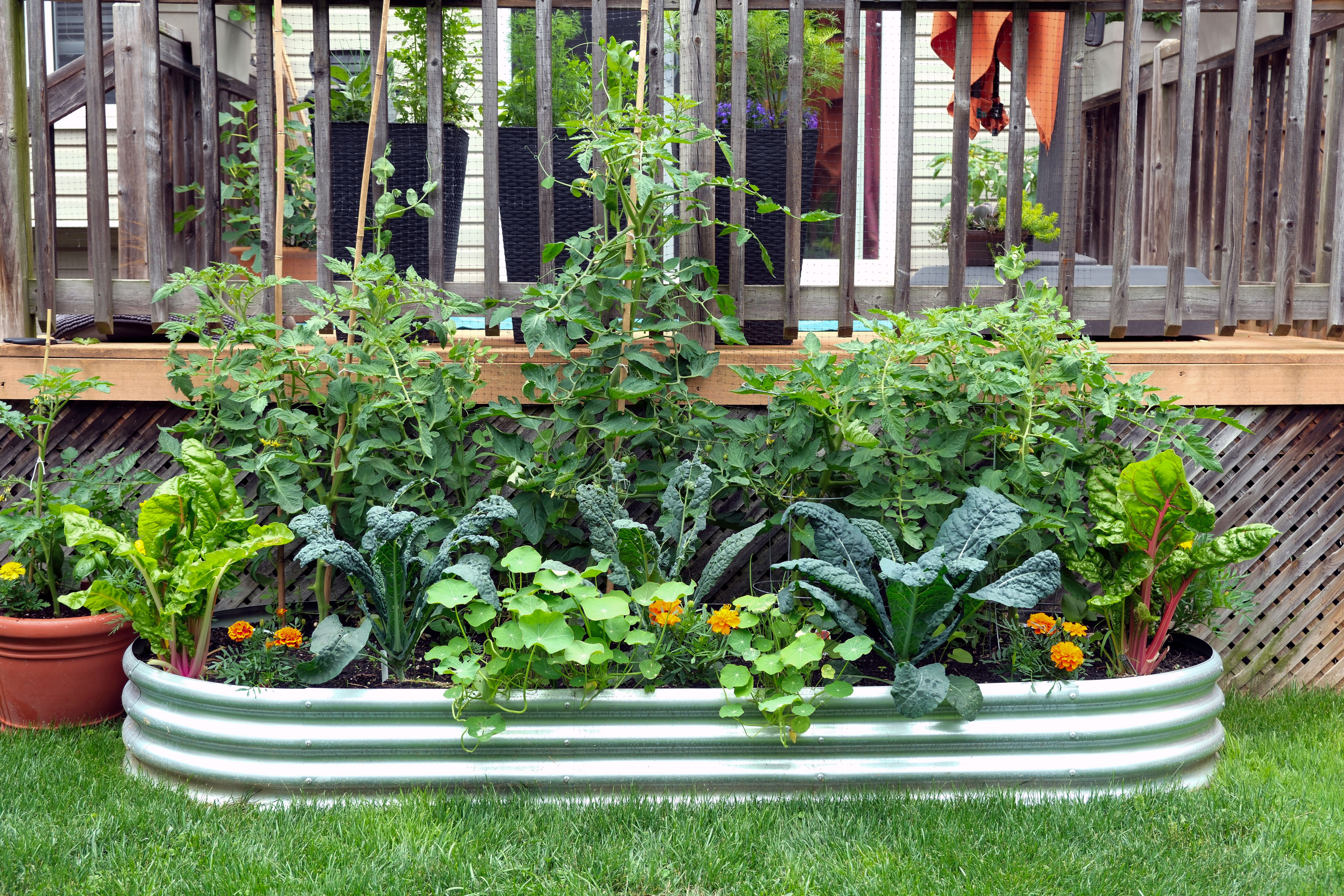
Additionally, consider planting in raised beds to improve drainage and allow for better control over soil quality. Raised beds can be particularly beneficial in areas with poor soil conditions.
Conclusion: Creating a Thriving Garden
With the right plant choices and soil management techniques, you can create a thriving garden in Hamilton. By focusing on native plants and improving soil conditions, you can ensure a lush and vibrant outdoor space that enhances your home and community.
Remember, successful gardening is about understanding your environment and working with it to create a harmonious and beautiful landscape.