How to Prepare Your Lawn for Changing Seasons in New Zealand
JL
Understanding Seasonal Changes in New Zealand
New Zealand's unique climate means that each season brings its own set of challenges and opportunities for lawn care. Whether you're dealing with the warm, humid conditions of summer or the cooler, wetter months of winter, preparing your lawn accordingly is crucial. By understanding the specific needs of your grass during these transitions, you can maintain a lush, healthy lawn year-round.
Spring: Revitalizing Your Lawn
Spring is a time of renewal, and it's the perfect season to revitalize your lawn. Start by performing a thorough cleaning, removing any debris that has accumulated over winter. This will allow your grass to breathe and access sunlight more effectively.
Next, consider aerating your lawn. Aeration helps to loosen compacted soil, allowing water and nutrients to reach the roots more efficiently. You can either rent an aerator or hire a professional to do this for you.
Fertilization and Seeding
Spring is also an ideal time to fertilize and seed your lawn. Choose a high-quality fertilizer designed for spring growth, and apply it evenly across your lawn. If there are any bare patches, overseed these areas to encourage new growth.
Summer: Keeping Your Lawn Hydrated
Summer in New Zealand can be warm and dry, making it essential to keep your lawn well-hydrated. Water your lawn early in the morning to reduce evaporation and ensure that the water penetrates deeply into the soil.
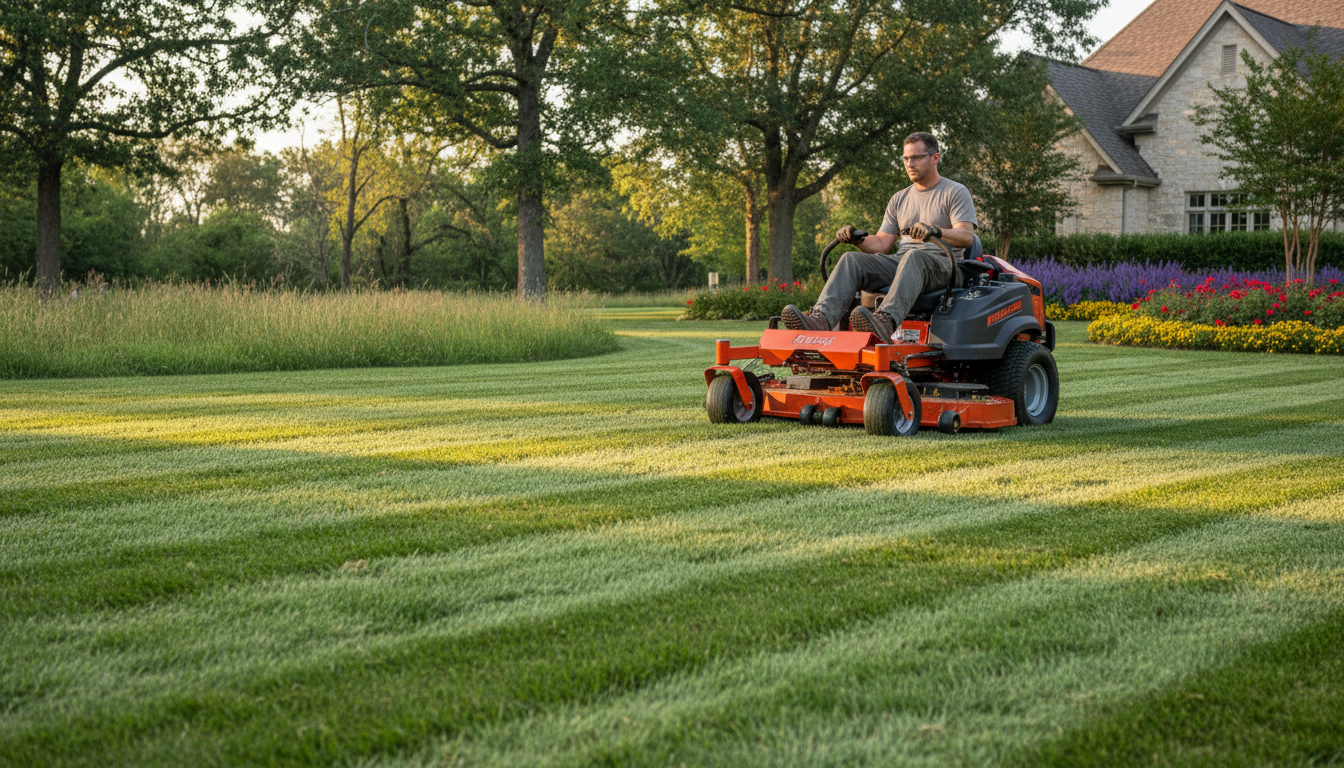
Adjust your mowing habits by raising the height of your mower blades. Taller grass retains moisture better and provides shade to the soil, reducing evaporation and stress on the grass.
Pest and Weed Control
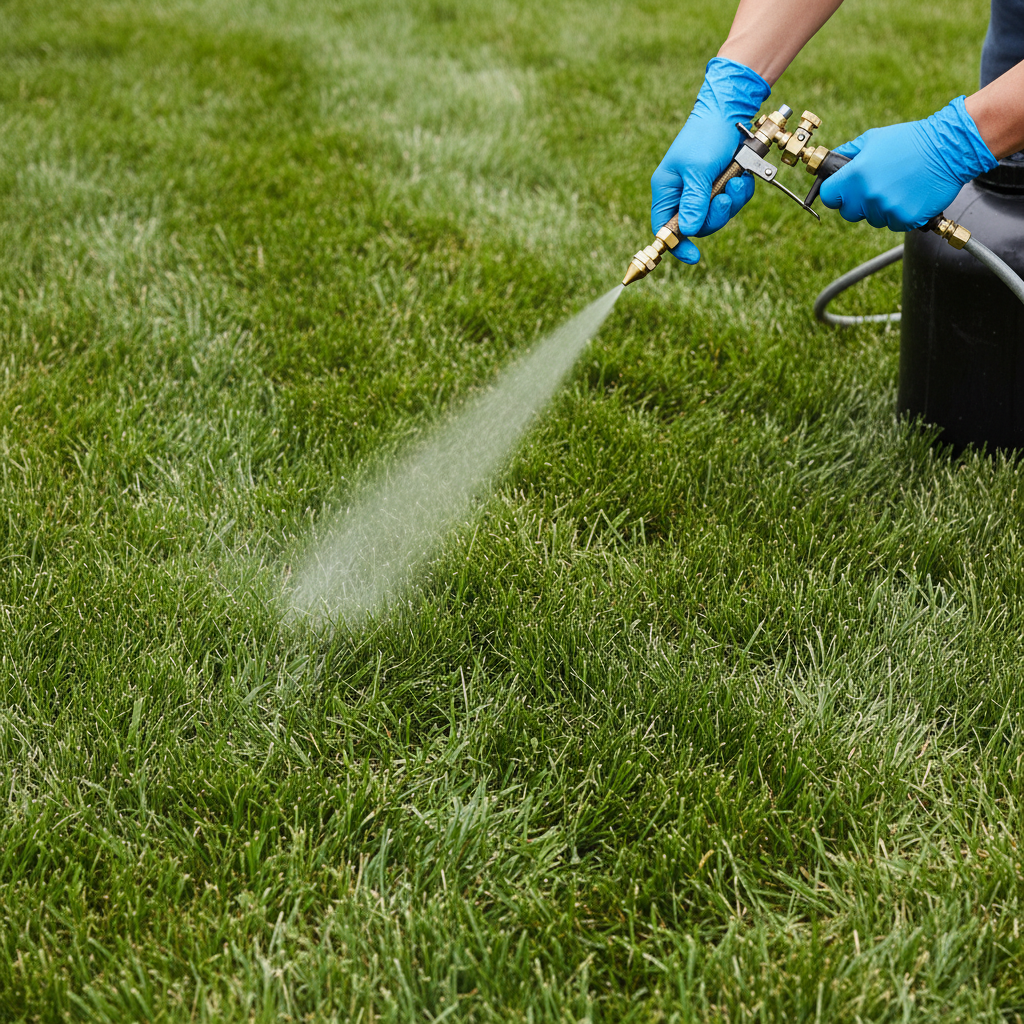
Summer is also a time when pests and weeds can become problematic. Regularly inspect your lawn for signs of infestations and apply appropriate treatments as needed. A well-maintained lawn is less susceptible to these issues.

Autumn: Preparing for Cooler Weather
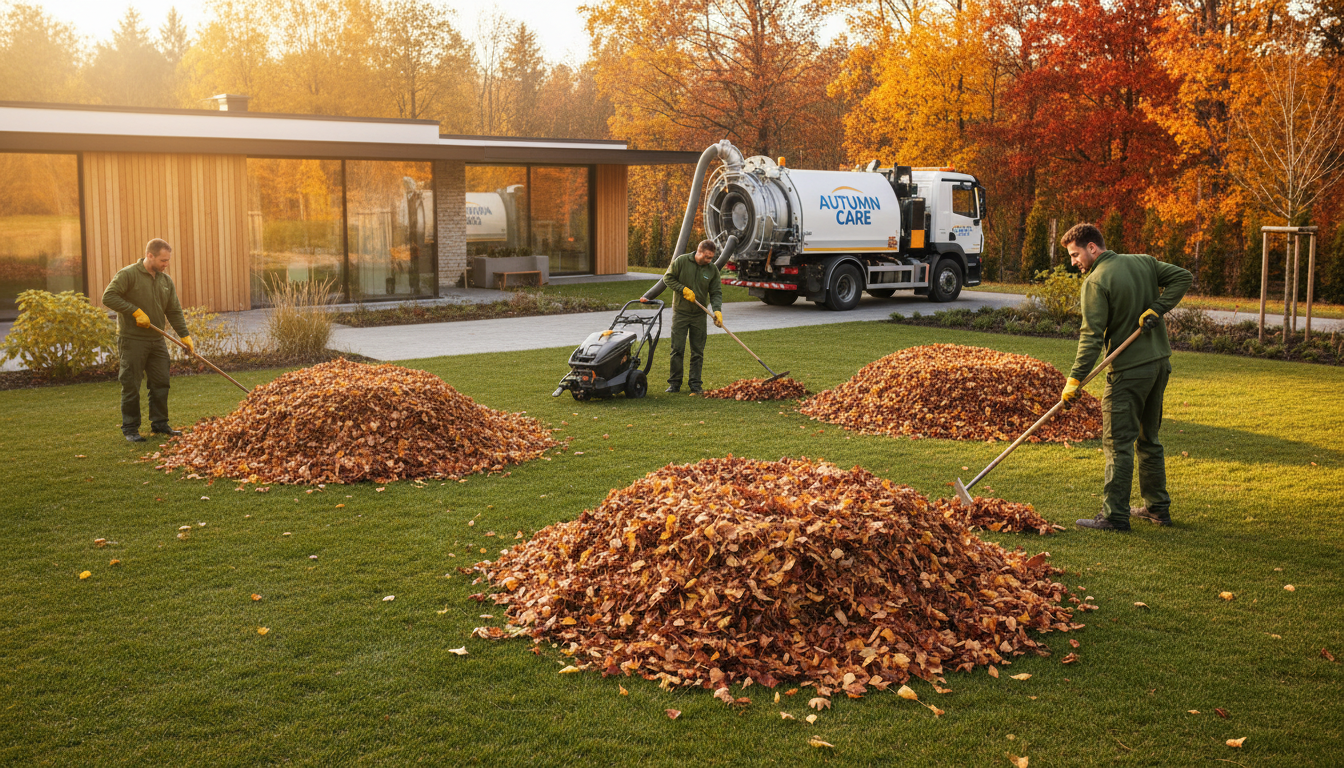
As the temperatures begin to drop in autumn, it's time to prepare your lawn for the cooler months. Rake up fallen leaves regularly, as they can block sunlight and trap moisture, leading to disease.
Consider giving your lawn a final feed with a slow-release fertilizer that will provide nutrients throughout the winter.
Soil Testing and Amendments
Conduct a soil test to determine if any amendments are necessary. Adjusting the pH level will help your lawn absorb nutrients more effectively and prepare it for the winter ahead.
Winter: Maintaining Dormancy
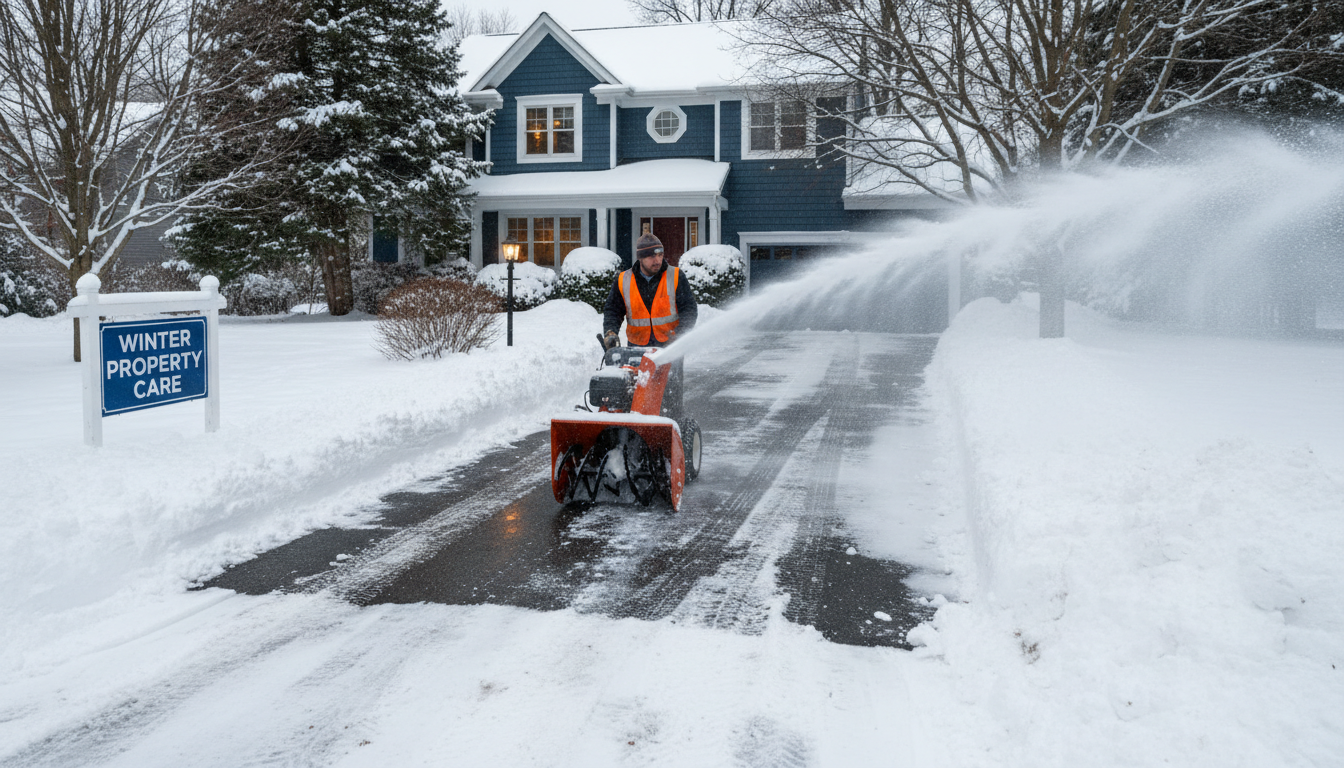
During winter, your lawn will naturally go dormant, requiring less maintenance. However, it's still important to keep an eye on it to prevent any issues from arising.
Avoid heavy foot traffic on your lawn during this time, as the grass is more susceptible to damage when it's dormant.
Monitoring Moisture Levels
While watering isn't usually necessary in winter, ensure that your lawn doesn't dry out completely, especially during dry spells. Monitor the weather and water lightly if needed.