
Top Tips for Hedge Pruning: Achieving the Perfect Garden Look
JL
Understanding Hedge Pruning
Hedge pruning is an essential gardening task that helps maintain the shape and health of your plants. Whether you're a seasoned gardener or a beginner, achieving the perfect garden look can seem challenging. However, with the right techniques and tools, you can transform your hedges into stunning features of your landscape.
When to Prune Your Hedges
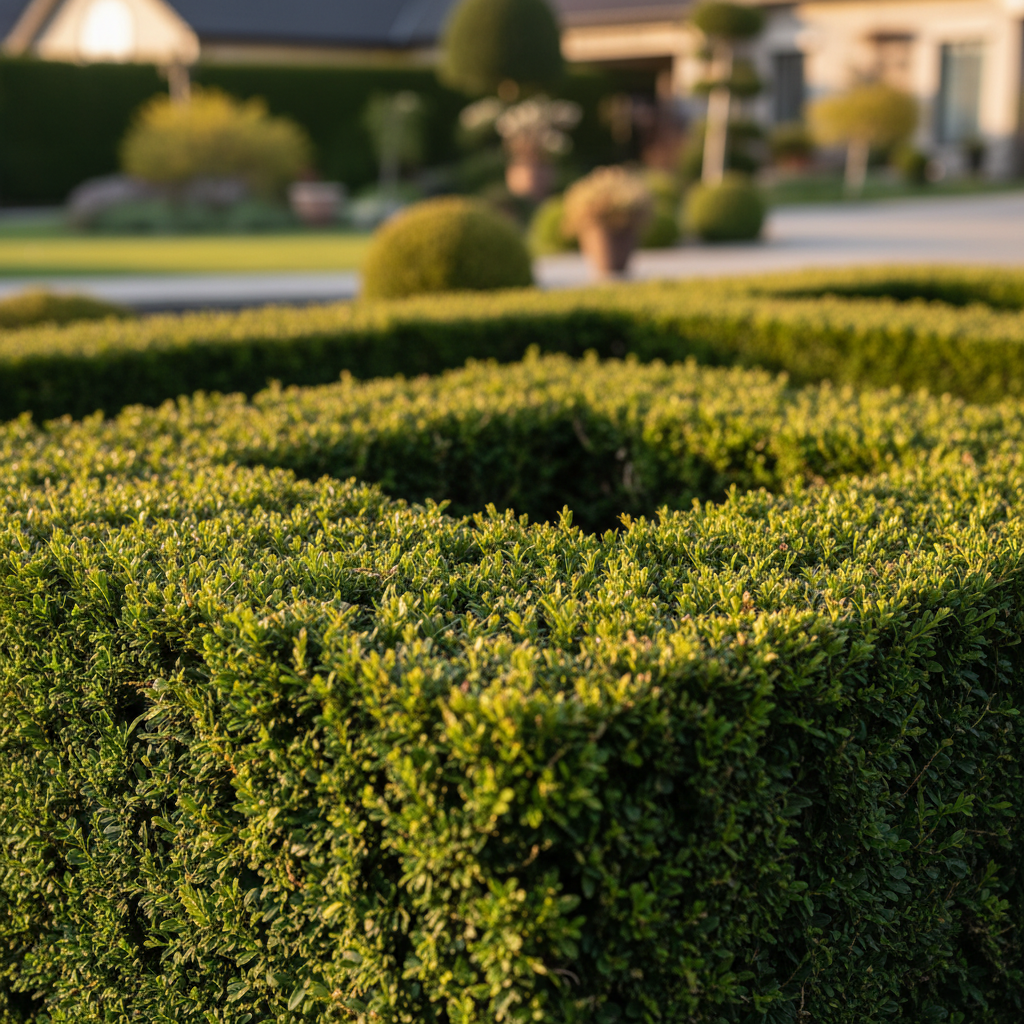
Timing is crucial when it comes to hedge pruning. Generally, the best times are late winter or early spring before new growth begins. This allows you to shape your hedges without disturbing their natural cycle. However, be cautious with flowering hedges, as pruning at the wrong time can remove buds and reduce blooms.
Consider the specific type of plant you're dealing with. Some species may require more frequent trimming, while others thrive with just one annual pruning. Understanding your plant's needs will ensure healthy growth and a vibrant appearance.
Essential Tools for Hedge Pruning
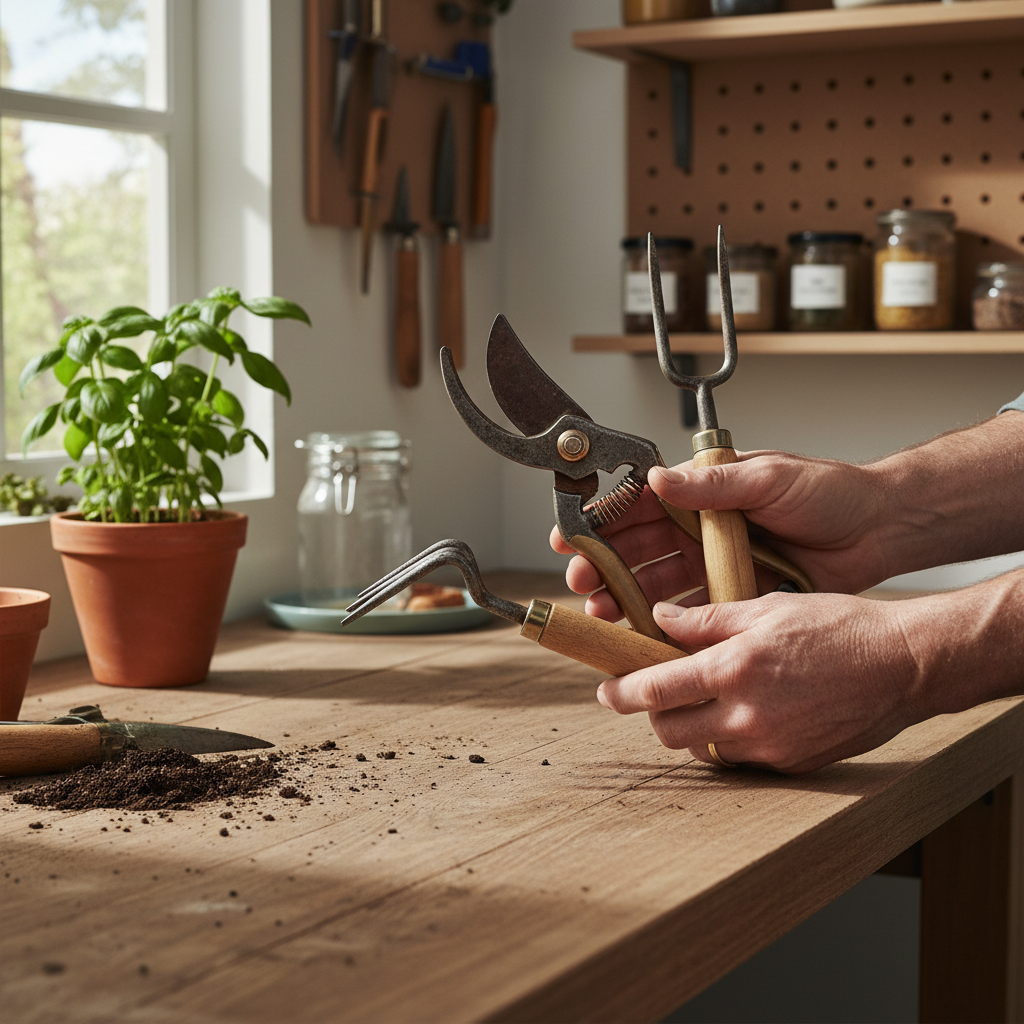
Having the right tools can make hedge pruning easier and more efficient. Here's a list of essential tools:
- Pruning shears for small branches and precise cuts.
- Hedge trimmers for larger areas and uniform shaping.
- Long-handled loppers for reaching higher branches.
Regular maintenance of your tools, including sharpening and cleaning, will ensure they perform well and last longer.
Techniques for the Perfect Prune
The way you prune can significantly impact the appearance and health of your hedges. Begin by removing any dead or diseased wood, as this promotes healthy growth. Use smooth, clean cuts to avoid damaging the plant.
When shaping your hedge, aim for a slightly tapered shape with a wider base and narrower top. This allows sunlight to reach all parts of the plant, promoting even growth. Remember to step back frequently to assess your work and ensure symmetry.
Maintaining Hedge Health
Beyond pruning, maintaining hedge health involves regular watering, mulching, and fertilizing. Proper hydration and nutrients support robust growth and resilience against pests and diseases.
Mulching helps retain soil moisture and suppress weeds, while a balanced fertilizer provides essential nutrients. Be mindful of over-fertilizing, as this can lead to excessive growth that requires more frequent pruning.
Common Mistakes to Avoid
Avoid common pitfalls such as trimming too much at once or neglecting the bottom of the hedge. Over-pruning can stress the plant, while neglecting the lower branches can lead to sparse growth. Balance is key to maintaining a lush, dense appearance.
With these top tips for hedge pruning, you can achieve the perfect garden look and enjoy a thriving landscape. Happy gardening!